



What Is Cannabis Distillate? — Bangkok Guide
If you've bought a vape cartridge, eaten a gummy, or tried a tincture in Bangkok, there's a strong chance you've already consumed distillate without realising it. It sits behind most of the cannabis products you'll see on shelves across Thailand — yet very few people know what it actually is. This guide covers what distillate is, how it's made, what it's used for, and how it compares to other concentrates like live rosin.
The basics
What Is Distillate?
Cannabis distillate is a highly refined cannabis extract — essentially the purified form of a single cannabinoid, usually THC distillate or CBD distillate. After processing, it typically contains 85% to 95%+ of the target cannabinoid, making it one of the most potent forms of cannabis available.
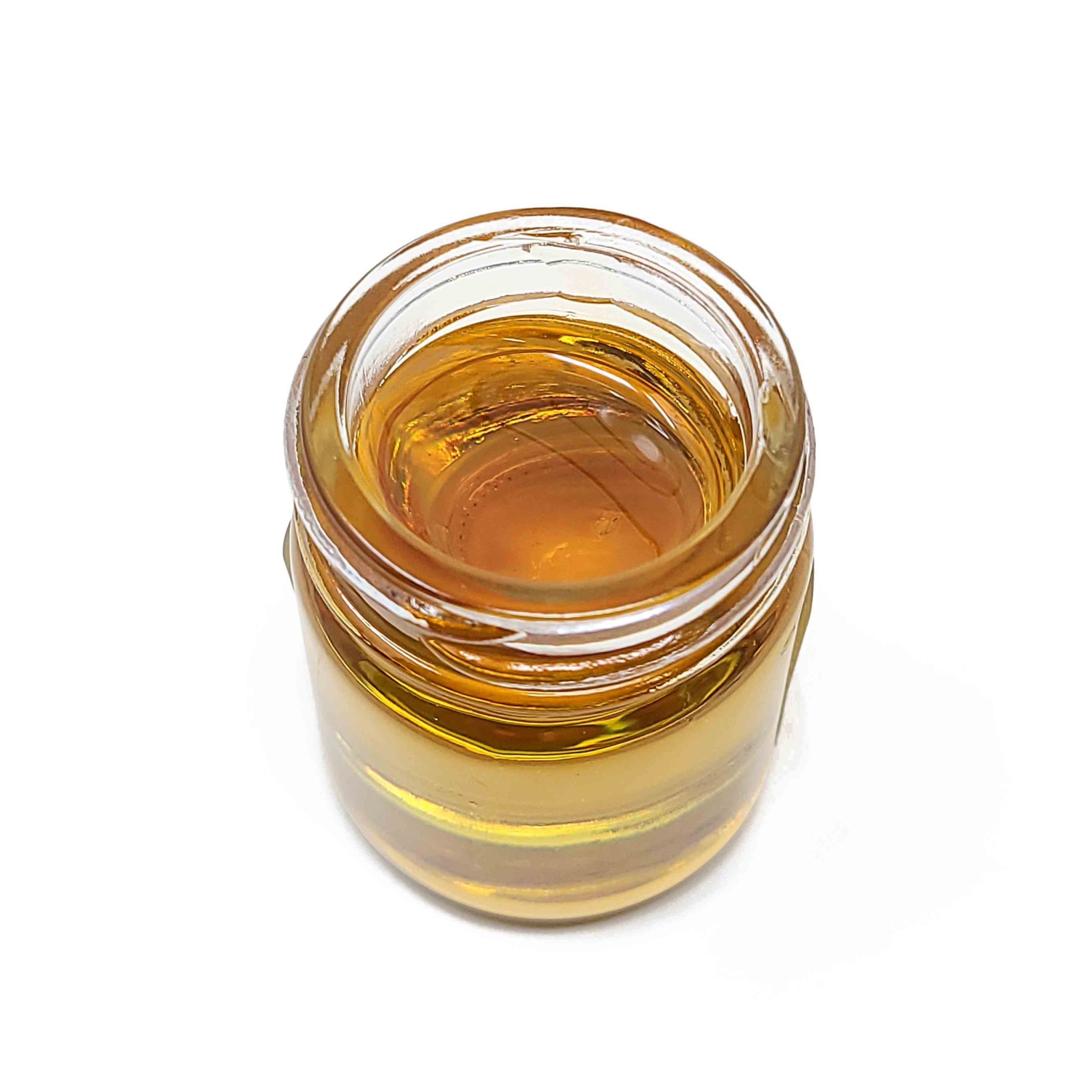
Visually, distillate is clear-to-golden in colour, with a thick, honey-like consistency. It's nearly odourless and flavourless — which is, depending on what you're using it for, either a feature or a flaw. Unlike live rosin or live resin, distillate has had its terpenes, plant matter, fats, and waxes stripped away. What's left is the cannabinoid itself, isolated and concentrated.
The process
How Distillate Is Made
Distillate is the end product of a multi-step refinement process. Here's what happens, in plain language:
- Crude extraction. The process starts with a raw cannabis extract — usually made using solvents like CO2, ethanol, or hydrocarbons. This first-stage extract is dark, gooey, and full of everything from cannabinoids to chlorophyll.
- Winterisation. The crude extract is mixed with ethanol and chilled to separate out fats, waxes, and lipids. These get filtered out.
- Decarboxylation. Gentle heat activates the cannabinoids — converting THCA into THC so that it produces psychoactive effects.
- Short-path distillation. The final step. The extract is heated under vacuum, which lowers the boiling point of each compound. Cannabinoids vaporise, travel a short distance, then condense back into a pure, golden liquid — leaving impurities behind.
The result is a clean, potent oil that's almost entirely THC or CBD. It's a precise, lab-driven process — and that precision is exactly why distillate is the backbone of so many cannabis products.
Where you'll find it
What Distillate Is Used For
In Bangkok's cannabis market, distillate quietly powers a large portion of what's on offer. Because it's potent, predictable, and easy to dose, it's the format manufacturers reach for when consistency matters. You'll find it in:
- Vape cartridges. The vast majority of 510-thread carts and disposable vapes on sale in Bangkok are filled with distillate, often blended with terpenes that have been added back in for flavour and effect.
- Edibles. Gummies, brownies, chocolates — distillate is the most common THC source in cannabis edibles because it dissolves cleanly, has no plant flavour, and allows for accurate per-piece dosing.
- Tinctures and sublinguals. Mixed with carrier oils, distillate works well as a measured oral dose.
- Topicals. Creams, balms, and lotions that use cannabinoids without psychoactive intent.
- Dabbing. Distillate can be dabbed, but it's rarely a first choice — without terpenes, the flavour profile is flat compared to live rosin or live resin. If you do dab it, an electronic device with precise temperature control — like a Puffco vaporizer in Bangkok — makes it far easier to get a smooth, consistent hit.
How it compares
Distillate vs Live Rosin vs Live Resin
These three are the most commonly confused concentrates. They're made differently, taste differently, and serve different purposes. Here's the breakdown:
Pure, refined, near-flavourless. Best for vape carts and edibles where consistent dosing matters more than flavour.
Made from fresh-frozen flower with heat and pressure only. Premium flavour, full terpene profile, no solvents. The connoisseur's choice.
Similar terpene preservation to rosin, but solvent-extracted. More accessible price point with strong flavour and effect.
The short version: if you want potency and predictability — distillate. If you want flavour, terpenes, and the full entourage effect — go with live rosin or live resin.
Quality markers
What To Look For In Good Distillate
Not all distillate is created equal. In a market like Bangkok where quality varies widely between vendors, here's what separates the good from the questionable:
- Colour. Quality distillate is clear to light gold. Dark amber or brown distillate typically indicates lower-grade starting material, incomplete refinement, or oxidation from age and improper storage.
- Consistency. It should be smooth and honey-like at room temperature. Grainy or crystallised distillate isn't necessarily bad, but unintended crystallisation can signal poor processing.
- Lab testing. Reputable distillate comes with a Certificate of Analysis (COA) showing cannabinoid content and confirming the absence of residual solvents, pesticides, and heavy metals. Always ask.
- Terpene reintroduction. Many distillate products — especially vape carts — have terpenes added back after distillation, either cannabis-derived or botanical. This adds back flavour and effect. Cannabis-derived terpenes are generally considered superior.
Cannabis distillate is a highly refined cannabis extract — typically 85–95%+ THC or CBD — produced through a multi-step refinement process ending in short-path distillation. It's the base ingredient for most vape cartridges, edibles, and tinctures available in Bangkok and across Thailand. Distillate is potent, clean, and easy to dose, but lacks the terpene profile of live extracts. If you want pure potency and predictability, distillate is the format. If you want flavour and the full entourage effect, look at live rosin or live resin instead.
Continue Reading