



What Is Fresh Frozen (WPFF) Hash? A Bangkok Guide
Most cannabis is dried and cured before anything is made from it. Fresh frozen hash breaks that rule: the plant goes into the freezer within hours of harvest, and the hash is washed from it while it's still, in every sense that matters, fresh. The difference shows up in the aroma, the flavour, and the price. This guide explains what "whole plant fresh frozen" actually means, how fresh frozen hash is made and graded, how it compares to cured hash, and how to look after it.
The basics
What Does WPFF Mean?
WPFF stands for whole plant fresh frozen. Instead of hanging the harvested cannabis to dry for a week or two and then curing it, the whole plant — buds, sugar leaves, and all — is cut down at peak ripeness and frozen immediately, usually within an hour or two. It stays frozen until the moment it's processed.
Why go to that trouble? Because the most delicate aromatic compounds in cannabis — the lightest terpenes that give a plant its bright fruit, citrus, and gas top notes — evaporate steadily during drying and curing. By the time flower is ready to smoke, a meaningful share of them is already gone. Freezing the plant stops that clock. Hash washed from fresh frozen material captures the plant's aroma as it was on harvest day, which is why it tends to smell and taste louder and fresher than hash made from cured flower.
Fresh frozen hash (sometimes written fresh frozen bubble hash) simply means ice-water hash made from WPFF material. If you're new to hash in general, our complete hash guide explains the basics and the main styles first.
The process
How Is Fresh Frozen Hash Made?
Fresh frozen hash is almost always made by ice-water extraction, because frozen material and ice water are a natural pair: the cold keeps the trichome heads brittle so they snap off cleanly, and the water carries them away from the plant.
- Harvest and freeze. Plants are cut at peak ripeness and frozen straight away. The faster the freeze, the more aroma is locked in.
- Wash in ice water. The frozen plant material is stirred gently in near-freezing water, in small batches. The cold trichome heads break away and sink; the plant stays behind.
- Collect through micron bags. The water is drained through a stack of progressively finer mesh bags. Each bag catches trichome heads of a different size — the mid-range bags usually hold the cleanest, most complete heads.
- Freeze-dry. Wet hash is fragile, so most modern producers use a freeze dryer to remove the water quickly and cold, preserving the terpenes that the whole process was designed to protect. Slower air-drying works too, but with more risk to flavour.
- Finish. The dried heads are kept loose, pressed into hash, or taken one step further and pressed into rosin.
The one thing that's rarely done with fresh frozen material is pressing it directly. Frozen flower is full of water, which presses poorly — so when you see a concentrate described as made from fresh frozen plants, it was almost always washed into hash first.
Understanding the difference
Fresh Frozen Hash vs. Cured Hash
Both can be excellent. They're made the same way — the only variable is whether the plant was frozen or dried first — but that one variable changes the character of the finished hash more than most people expect.
Which is better comes down to taste. If you want the clearest possible expression of a strain's aroma, fresh frozen is the benchmark. If you prefer the rounded, spiced character of traditional hash, cured material delivers it. Many connoisseurs keep both around for different moods.
Setting expectations
How Is Fresh Frozen Hash Graded?
Like all ice-water hash, fresh frozen hash is graded on a one-to-six-star scale by how cleanly it melts when heated. The stars describe purity, not strength — though the two tend to travel together.
- 1–2 star. Contains noticeable plant material; chars rather than melts. Best suited to edibles and cooking.
- 3–4 star. "Half-melt." Bubbles and partially melts, leaves some residue. Excellent crumbled into a joint or on a bowl.
- 5–6 star. "Full-melt." Melts completely and vaporizes clean, leaving almost nothing behind. This is the grade that can be dabbed on its own — and the grade most fresh frozen hash is washed to achieve.
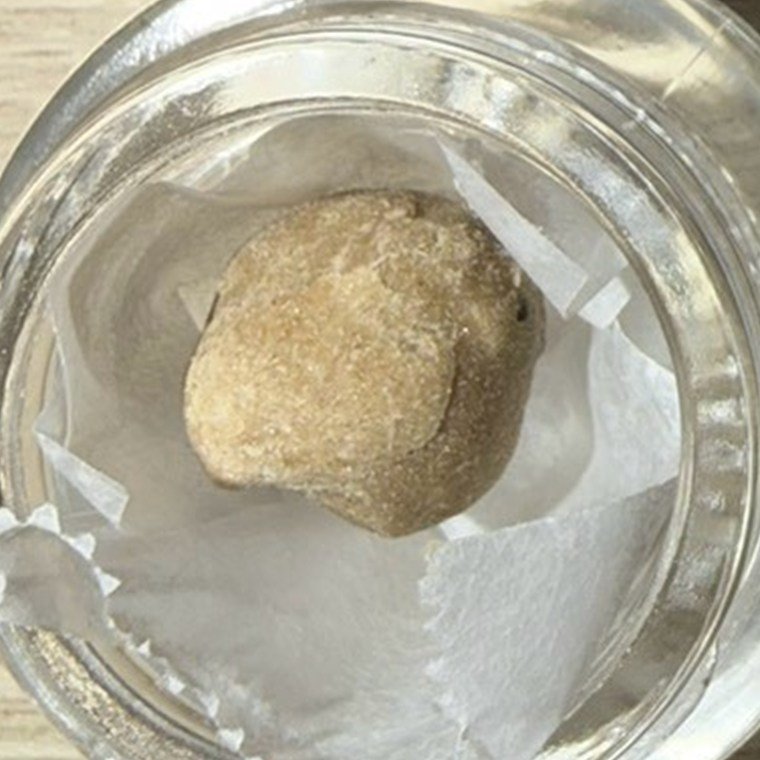
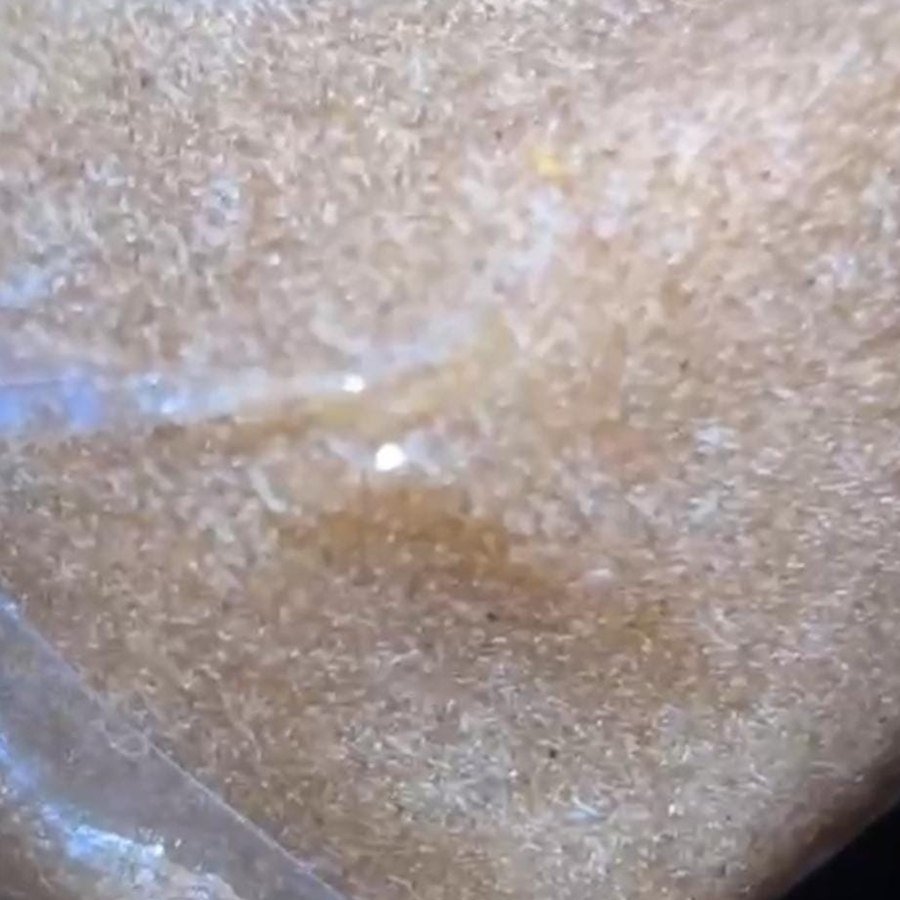
Good fresh frozen hash is typically pale — blonde to light gold — with a sandy, slightly greasy texture when the heads are rubbed together. A strong, clean aroma the moment the jar is opened is the clearest sign the freezing and drying were done right. In strength it sits well above flower, in the same range as other top-grade hash, so start small.
Worth knowing
Is Fresh Frozen Hash the Same as Live Rosin?
No — but they're closely related, and the names cause real confusion. Fresh frozen hash is the ingredient. Press that hash with heat and pressure and the trichome heads burst and flow together into a golden, oily concentrate — that pressed product is what menus call live rosin, or more precisely live hash rosin. "Live" in that name is just another way of saying the hash underneath it was made from fresh frozen plants.
So the two sit at different points on the same line: fresh frozen hash is the whole trichome heads, loose or lightly pressed; rosin is those same heads pressed into oil. Hash keeps a little more texture and a slightly fuller, rounder flavour; rosin is smoother to dab and more concentrated by weight. If you want the pressed end of the story, our rosin guide covers it in full.
How to use it
How Do You Enjoy and Store Fresh Frozen Hash?
- Dab it — the preferred method for full-melt grades, and the one that shows off the aroma best. Keep the temperature low; the terpenes you're paying for are the first thing high heat destroys.
- On a bowl or in a joint — for half-melt grades, or whenever you want a simpler session. A little goes a long way.
- Keep it cold. This matters more for fresh frozen hash than for any other hash. Its whole value is in volatile terpenes that evaporate at room temperature, so it should live in the fridge or freezer in an airtight container, and only come out for the few minutes you need it.
Treated well, fresh frozen hash keeps its aroma for months. Left on a warm shelf, it loses the very thing that made it special within weeks.
The right device
Dabbing Fresh Frozen Full-Melt?
Fresh frozen hash is the strongest possible argument for temperature control. Every step of its production was designed to protect delicate terpenes, and a dab that's too hot undoes all of it in a second. An electronic dab device lets you set a low, exact temperature every time, without the guesswork of a torch-and-banger setup.
At Stonersclub, we carry Puffco concentrate vaporizers in Thailand — one of the most respected names in the concentrate device space — across our Bangkok locations.
Browse Puffco Vaporizers in Thailand →Continue Reading