



What Is Static Hash? A Bangkok Guide to Static Sift
Static hash is what happens when hash makers take the oldest method in the book — dry sifting — and refine it with a trick borrowed from physics. The result is some of the cleanest solventless hash being made today, with no water, no solvents, and no drying step. This guide explains what static hash actually is, how it's made, how it compares to dry sift and bubble hash, and how to enjoy it.
The basics
What Is Static Hash?
Static hash — also called static sift or static tech — is a solventless cannabis concentrate made by separating trichome heads from the plant using static electricity. Trichomes are the tiny resin glands on cannabis flower that hold most of its cannabinoids and terpenes. In ordinary dry sifting, those glands are knocked loose and sieved through screens, but a certain amount of plant dust and broken stalks always falls through with them.
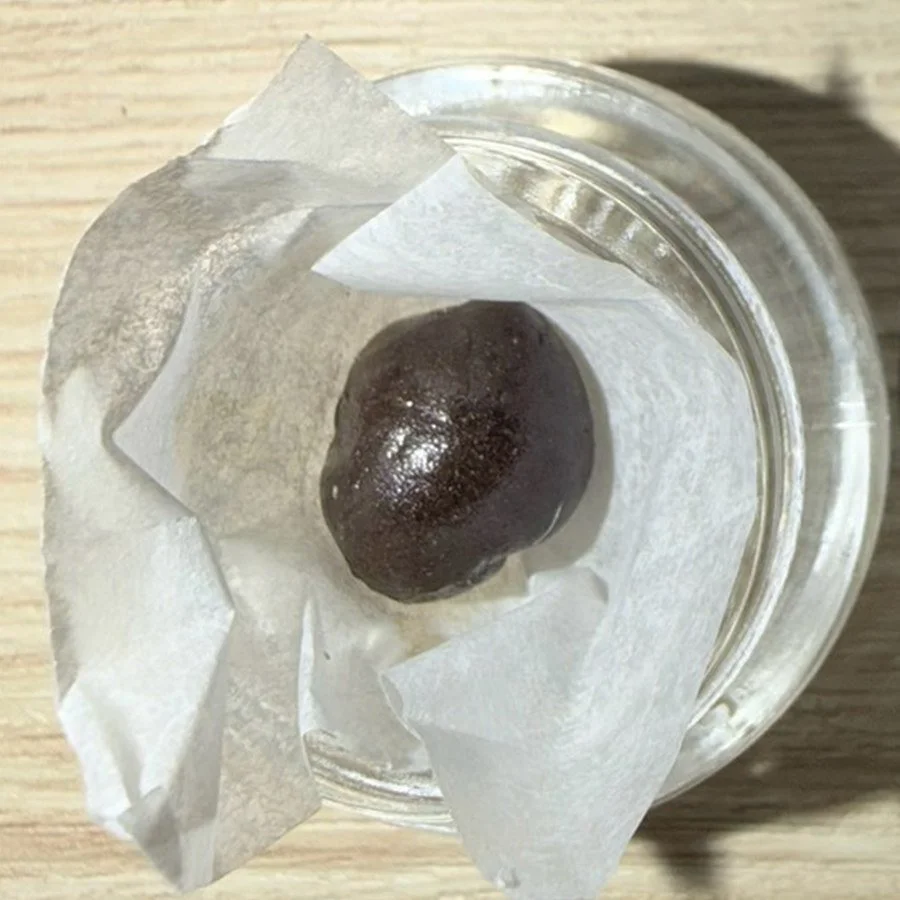
Static sifting solves that. The sifted material is passed over a charged surface — typically a sheet of plastic or acrylic — and the trichome heads, which carry a different charge from the plant debris, cling to it while the contaminants are left behind. Scrape the surface, and what you collect is a fine, sand-like powder of almost pure resin heads. Press it, and you have static hash.
If that sounds like a small refinement, the results say otherwise. Well-made static sift can reach the same full-melt purity as the best ice-water hash, without the material ever touching water. If you're new to hash in general, our complete hash guide covers the basics first.
The process
How Is Static Hash Made?
The method is simple to describe and hard to do well. Every step depends on keeping the material cold and dry, because warm trichomes smear and clump instead of separating.
- Start with cold, dry material. Static sift is usually made from well-cured flower or trim, or from fresh frozen plant material that has been freeze-dried. Either way, the material is chilled first — cold trichomes are brittle and snap off cleanly.
- Sift through screens. The material is gently agitated over fine mesh screens so the trichome heads fall through as kief, exactly as in traditional dry sifting. Several passes through progressively finer screens remove the largest contaminants.
- Static separation. The kief is spread thinly and worked over a charged plastic surface. The resin heads jump to the static and hold; plant particles stay on the screen. Repeating this a few times can take the purity from "nice kief" to full-melt grade.
- Collect, then press or keep loose. The finished heads are scraped off and either kept as a loose powder or pressed into a pliable coin or block of static hash.
The whole process is dry from start to finish. That's the key difference from bubble hash — there's no washing, no drying rack, and no freeze dryer needed to finish the product.
Understanding the difference
Static Hash vs. Dry Sift vs. Bubble Hash
All three are solventless, and all three are trichomes separated from the plant. The difference is the tool doing the separating — screens, static, or ice water — and that decides purity, texture, and flavour.
In terms of flavour, static sift tends to taste very close to the flower it came from — bright and clear, since the heads are collected gently and never soaked. Bubble hash made from the same plant is often described as slightly rounder and deeper. Neither is objectively better; many connoisseurs enjoy comparing the two side by side.
Setting expectations
Is Static Hash Full-Melt?
It can be — and that's the whole reason the technique exists. Hash is graded by how cleanly it melts when heated, on a scale that runs from one to six stars. Lower grades contain enough plant material that they char and leave residue; five- and six-star hash melts completely and vaporizes clean, which makes it suitable for dabbing.
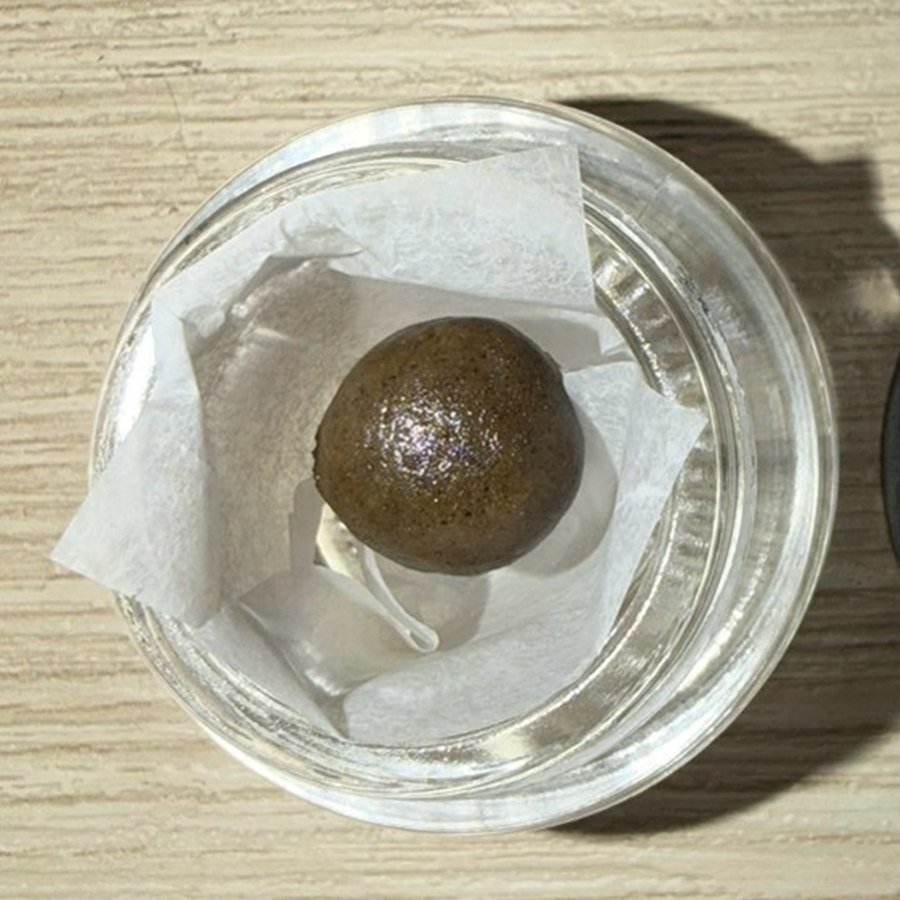
Static sift is one of the few dry methods that can reliably reach those top grades. A good indicator is colour: top-grade static sift is pale blonde to light gold, with a texture like fine sand that turns greasy and sticks together when pressed between your fingers. Darker, dustier powder usually means more plant material got through.
In strength, full-melt static sift sits in the same territory as top-grade bubble hash — well above flower, below the intensity of modern extracts. A small amount goes a long way, so start small the first time you try it.
How to use it
How Do You Smoke Static Hash?
Static hash is more versatile than most concentrates because it comes as a loose powder as often as a pressed block.
- Sprinkled over a bowl or into a joint — the easiest option. A pinch of loose static sift on top of flower is a serious potency and flavour upgrade, with nothing new to buy.
- Pressed into a coin — loose heads press easily into a small, pliable disc that can be crumbled or sliced like traditional hash.
- Dabbed — for full-melt grades only. Lower grades leave residue on a hot surface, but five- and six-star static sift vaporizes as cleanly as rosin. Keep the temperature low to taste the terpenes rather than burn them.
For storage, keep it cold and airtight. Loose trichome heads lose aroma quickly at room temperature, so the fridge or freezer is the right place for anything you're not using immediately.
The right device
Dabbing Full-Melt Static Sift?
Full-melt static sift rewards precise temperature control. Too much heat and the delicate terpenes that make it special are gone in the first second; too little and it won't vaporize fully. An electronic dab device lets you set the exact temperature every time, without the guesswork of a torch-and-banger setup.
At Stonersclub, we carry Puffco concentrate vaporizers in Thailand — one of the most respected names in the concentrate device space — across our Bangkok locations.
Browse Puffco Vaporizers in Thailand →Continue Reading